Overview of the manual of uniform traffic control devices for canada
The manual of uniform traffic control devices for canada is an instruction manual that standardizes signs, signals, and markings nationwide. Transport Canada developed it to ensure consistency and safety across provinces.
It is a reference book used by engineers and planners.
Canada-wide standard.
Purpose and Legal Status in Canada
The manual of uniform traffic control devices for canada exists to create a single, predictable system of signs, signals, and pavement markings across the country. Its purpose is to reduce driver confusion, lower collision risk, and support uniform enforcement by police and transportation agencies;
Legally, the document is not federal statute, but it gains authority when provinces incorporate it into their own highway traffic acts and regulations. Once adopted, compliance becomes mandatory, and courts may treat its standards as evidence of accepted practice.
Key legal points:
- Provincial adoption gives regulatory force.
- Municipal bylaws often reference it directly.
- Non-compliance can affect liability in traffic incidents.
Enforcement relies on provincial and municipal authorities rather than a single national police force; Courts frequently cite the manual when determining whether a traffic control device meets accepted safety standards, and manufacturers often design products to match its specifications. The document also guides funding decisions, as many infrastructure grants require projects to follow its guidelines.
Although Transport Canada publishes the manual, province decides whether to adopt it or with amendments. When a province incorporates the text into its Highway Traffic Act, the specifications carry the force of law, and violations may result in fines or demerit points. Municipalities can impose stricter local rules but rarely contradict the national framework.
History and Development by Transport Canada
Transport Canada began developing the manual of uniform traffic control devices for canada in the mid-20th century to address inconsistent road signage across provinces. Early versions drew from American and British practices, then adapted them to Canadian climate, bilingual signage needs, and vast geography.
Over decades, Transport Canada revised the manual to reflect new research, vehicle technologies, and safety data. Major updates introduced standardized warning signs, regulatory symbols, and temporary traffic control zones. Provincial transportation departments collaborated through committees to ensure national harmony while allowing regional flexibility.
Digital editions now support online access, searchable databases, and regular amendments. Transport Canada continues to coordinate with provinces, municipalities, and safety organizations to keep the manual current and relevant for Canadian road users. Key milestones include the 1960s harmonization effort, the 1980s metric conversion, and the 2000s alignment with intelligent transportation systems. Each revision involved public consultation, expert review, and field testing to verify visibility, comprehension, and durability under Canadian weather conditions. Transport Canada also maintains an archive of past editions, allowing engineers to trace design changes and understand why certain symbols replaced older text-based signs. This historical record supports legal consistency and helps municipalities interpret legacy infrastructure still in service today.
Core Structure and Major Sections
The manual of uniform traffic control devices for canada divides standards into sections on signs, signals, pavement marking, and temporary traffic control. It gives design rules, placement criteria, and maintenance guidance for provincial and municipal road authorities.
Traffic Signs: Categories and Design Standards
The manual of uniform traffic control devices for canada classifies traffic signs into regulatory, warning, and guide categories. Each category uses specific shapes, colors, and lettering heights to convey meaning quickly. Regulatory signs include speed limits and turn prohibitions, while warning signs alert drivers to curves, intersections, or pedestrian crossings ahead. Guide signs provide route numbers, destinations, and distances using consistent fonts and reflective sheeting.
Design standards specify mounting heights, lateral offsets, and visibility distances based on roadway speed. Retroreflective materials must meet minimum luminance values for nighttime readability. Symbols and borders follow exact proportions to avoid confusion. The manual also addresses bilingual signage in designated regions, ensuring English and French text appear with equal legibility.
Standard sign sizes vary by roadway class. Freeway guide signs are larger than urban regulatory signs to ensure legibility at higher speeds. Color coding assigns red to stop and yield, yellow to warnings, green to directional guidance, and blue to motorist services. Lettering series follow the alphabet specified in the manual, with uppercase preferred for clarity. Maintenance schedules require regular inspection of reflectivity and physical condition.
Sign placement must consider sight distance, driver eye height, and potential obstructions such as trees or utility poles.
Reflective sheeting must meet ASTM standards for durability now!!!!

Traffic Signals and Signal Timing Guidelines
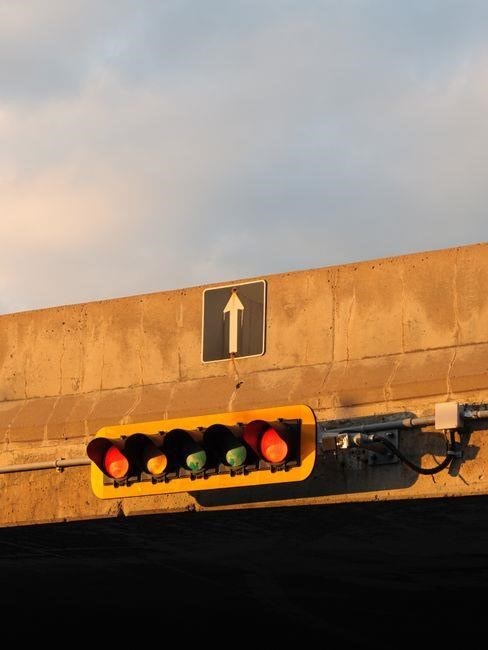
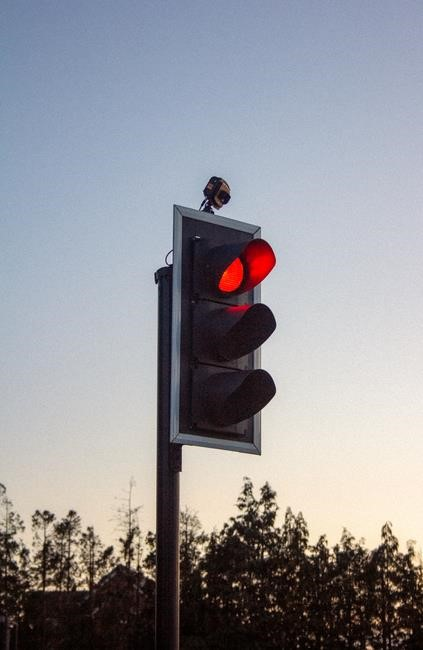
The manual of uniform traffic control devices for canada establishes signal design and timing principles for intersections across the country. Traffic signals assign right-of-way through red, amber, and green indications, with optional flashing modes for special conditions. Signal faces must be visible from minimum stopping distances and mounted at specified heights above the pavement.
Timing guidelines cover cycle length, green splits, clearance intervals, and pedestrian phases. Cycle length depends on traffic volume, intersection geometry, and pedestrian demand. Amber and all-red intervals provide safe clearance for vehicles entering the intersection. Coordinated signal systems maintain progression along arterials, reducing stops and delays.
Actuated signals use detectors to adjust green time based on real-time demand, while pre-timed signals operate on fixed schedules. Adaptive control systems modify timing in response to changing traffic patterns. Pedestrian signals include walk, flashing don’t walk, and countdown timers to inform crossing decisions.
Signal timing must also consider transit priority, emergency vehicle preemption, and school zone flashers. Regular retiming studies ensure that signal operations remain efficient as traffic patterns evolve.
Modern signal heads use LED lenses to improve energy efficiency and visibility. Maintenance crews inspect signal heads, controller cabinets, and detection loops on a scheduled basis to prevent failures. See ch six for signal timing plans template.
Pavement Markings and Delineation Standards
The manual of uniform traffic control devices for canada specifies pavement markings that guide road users and delineate travel paths. Longitudinal markings include center lines, lane lines, and edge lines. Yellow lines separate opposing traffic, while white lines separate lanes moving in the same direction or mark the right edge of the roadway.
Transverse markings consist of stop lines, crosswalk lines, yield lines, and speed reduction markings. Word and symbol markings such as arrows, ONLY, BUS LANE, and bicycle symbols convey regulatory and guidance information directly on the pavement surface.
Approved materials include traffic paint, thermoplastic, epoxy, preformed tape, and raised pavement markers. All markings must meet minimum retroreflectivity levels to remain visible at night and in wet weather. Delineation devices such as flexible posts, object markers, and chevron signs supplement markings on curves and at hazards.
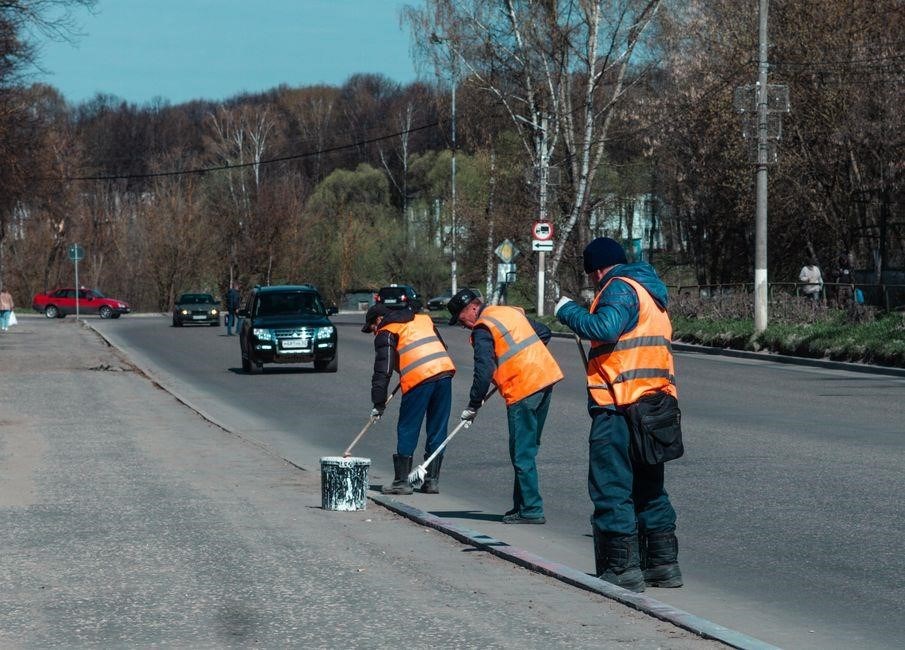
Maintenance schedules require regular inspection for wear, fading, and loss of reflectivity. Markings are restriped when visibility drops below established thresholds. Bike lanes, parking spaces, and gore areas receive distinct marking patterns to reduce conflicts.
Centerline markings may be single or double yellow lines to indicate passing restrictions. Edge lines mark the outer boundary of the travel way. Crosswalk markings use parallel lines or ladder patterns to define pedestrian crossing zones. Stop lines are placed at intersections to indicate where vehicles must halt!!!
Implementation Across Canadian Provinces
The manual of uniform traffic control devices for canada is adopted by provinces with minor regional variations. Transport Canada coordinates national standards while local authorities enforce compliance.
Provinces implement the manual with regional variations.

Provincial Adoption and Regional Variations
Provincial adoption of the manual of uniform traffic control devices for canada varies across Canada, with Transport Canada setting the baseline framework while individual provinces and territories tailor implementation to local geography, climate, and legislative authority. Ontario, Quebec, British Columbia, and Alberta typically align closely with national guidelines but may introduce region-specific signage for bilingual requirements, winter road conditions, or mountainous terrain. Maritime provinces often adapt device placement for coastal visibility and seasonal tourism traffic, whereas northern territories account for extended daylight cycles and remote highway maintenance schedules. These regional variations do not compromise core safety principles; instead, they ensure that uniform devices remain effective within diverse jurisdictional contexts. Provincial transportation ministries publish supplementary manuals and amendment bulletins that reference the national document, allowing local engineers to apply consistent design standards while addressing unique operational challenges. Continuous coordination between federal and provincial agencies helps preserve interprovincial uniformity for drivers crossing borders.
Each province and territory publishes a local adaptation of the manual of uniform traffic control devices for canada that reflects regional climate, language requirements, and highway design practices. These adaptations preserve national uniformity while permitting necessary local modifications.
Municipal Bylaws and Local Authority
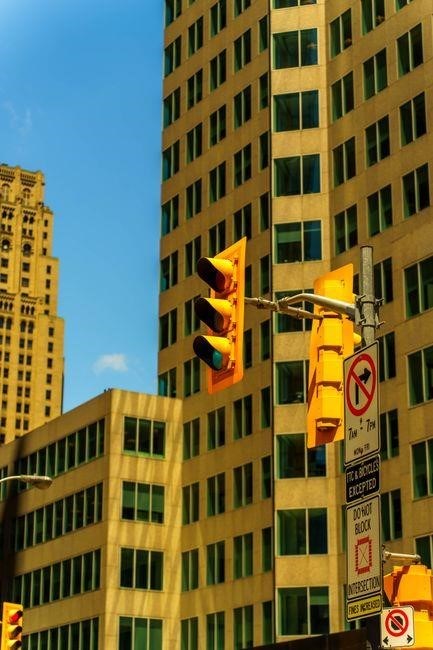
Municipal governments exercise local authority over streets within their boundaries by enacting bylaws that implement the manual of uniform traffic control devices for canada at the community level. While provincial statutes delegate this power, cities such as Toronto, Vancouver, and Montreal adapt national standards to address neighborhood traffic calming, parking restrictions, school zones, and special event permits. Local engineers must ensure that any municipal signage, signal timing, or pavement marking remains consistent with the approved manual to avoid conflicting instructions for road users.
Bylaw councils typically require engineering studies and public consultation before installing new devices or changing speed limits. Enforcement falls to municipal police or bylaw officers, who monitor compliance with posted regulations. Although municipalities may set stricter local rules, they cannot authorize devices that contradict the core design principles established by Transport Canada and adopted by the province. This layered authority preserves uniformity while allowing communities to respond to unique urban conditions.
Municipal staff conduct regular inventories of traffic control devices and recommend bylaw changes after engineering reviews. Public hearings gather resident inputs before new speed limits take effect. Accessible signals and bike lane markings must meet national design criteria while addressing local layout. Temporary event permits require detour plans that use standardized signs visible to drivers.
Temporary Traffic Control and Work Zones
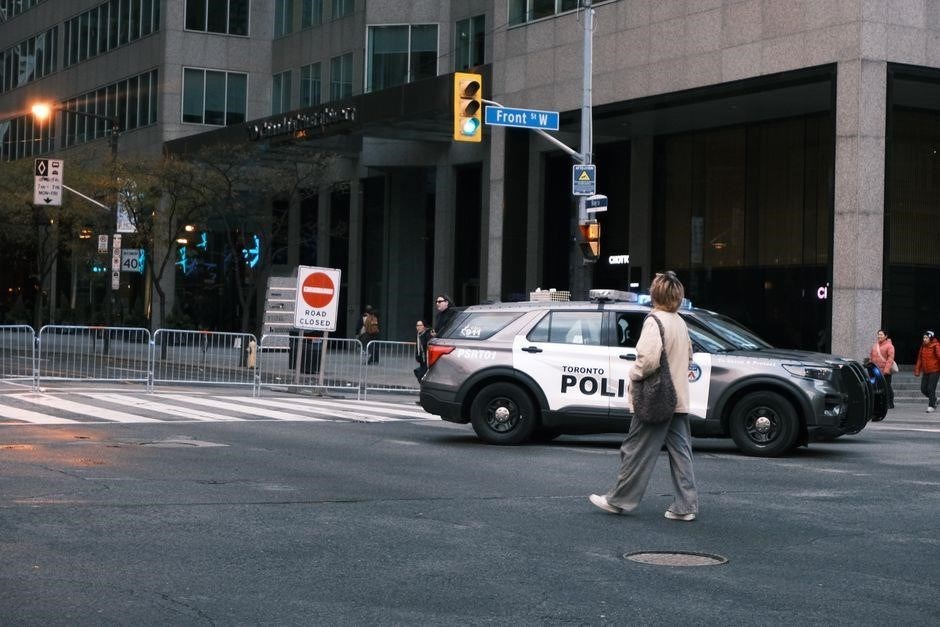
Temporary traffic control protects road users and workers during construction, maintenance, or emergencies. Standardized signs, cones, barriers, and trained flaggers reduce confusion and crashes across all Canadian work zones. Devices must be visible at night now.
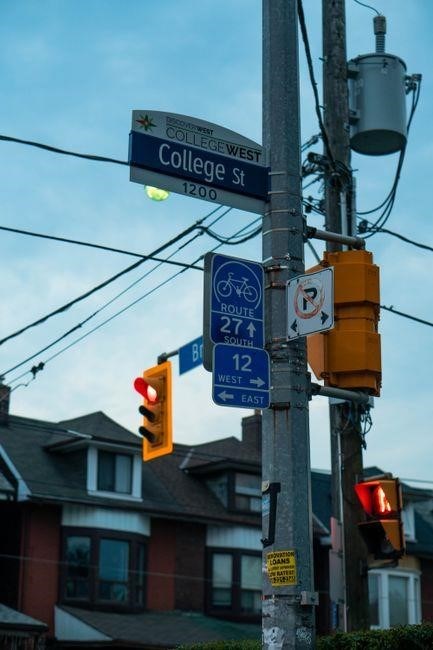
Work Zone Signage and Device Requirements
Work zone signage must follow the manual of uniform traffic control devices for canada to keep drivers and workers safe. Orange is the standard color for temporary signs, and all devices must be retroreflective or illuminated for night visibility. Signs include advance warning, speed limit, lane closure, and detour notices. Mounting heights typically range from 0.7 to 2.1 meters above the roadway, depending on the sign type and location. Portable devices such as cones, drums, barricades, and vertical panels must be crashworthy and spaced according to speed limits. Arrow boards and flashing arrow panels guide traffic through merged lanes, while temporary traffic signals control intersections when normal signals are unavailable. Flagger stations require high-visibility apparel and STOP/SLOW paddles that meet reflectivity standards. Devices should be inspected daily, removed when work ends, and replaced if damaged or faded.
Sign sheeting must meet ASTM D4956 retroreflectivity standards, typically Type IV or higher for work zones. Letter height should be at least 150 millimeters on roads posted above 60 kilometers per hour, and 100 millimeters on lower-speed streets. Signs are mounted on portable supports with ballast to resist wind, and channelizing devices such as drums and cones are spaced no farther than 12 meters apart in taper areas. Flashing warning lights must be visible from 300 meters and operate continuously during hours of darkness. Devices must be taken down as soon as work ends and the roadway reopens now.
Pedestrian and Cyclist Safety Provisions
The manual of uniform traffic control devices for canada sets requirements for protecting people walking and cycling near roadways. Crosswalk markings use white longitudinal lines or zebra patterns, and pedestrian crossing signs are fluorescent yellow-green with black symbols. Curb ramps must have detectable warning surfaces, and pedestrian signal heads display walking person and orange hand symbols with countdown timers where warranted.
Cyclist provisions include shared lane markings, bike lane symbols, and green-colored pavement at conflict zones. Bicycle signal heads may operate separately from vehicle signals, and advance stop lines give cyclists space ahead of motor vehicles. At intersections, leading pedestrian intervals allow walkers to enter crosswalks before parallel traffic receives a green light.
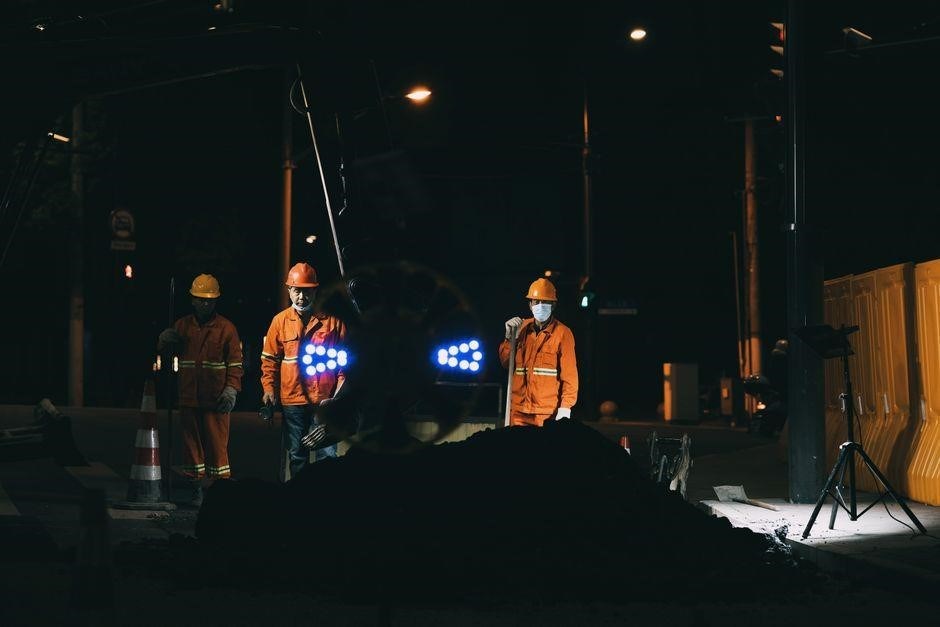
Maintenance requires replacing faded markings and damaged signs promptly. All devices must be visible at night through retroreflective sheeting or illumination, and temporary pedestrian detours during construction must provide accessible routes with proper signage and barriers.
Accessible pedestrian signals include audible tones, vibrotactile surfaces, and pushbutton locator tones for visually impaired users. Cyclist box storage areas position riders ahead of traffic at signalized intersections, reducing conflicts with right-turning vehicles. Nighttime visibility relies on high-intensity prismatic sheeting and overhead lighting at crosswalks and bike crossings It improves safety for everyone.